
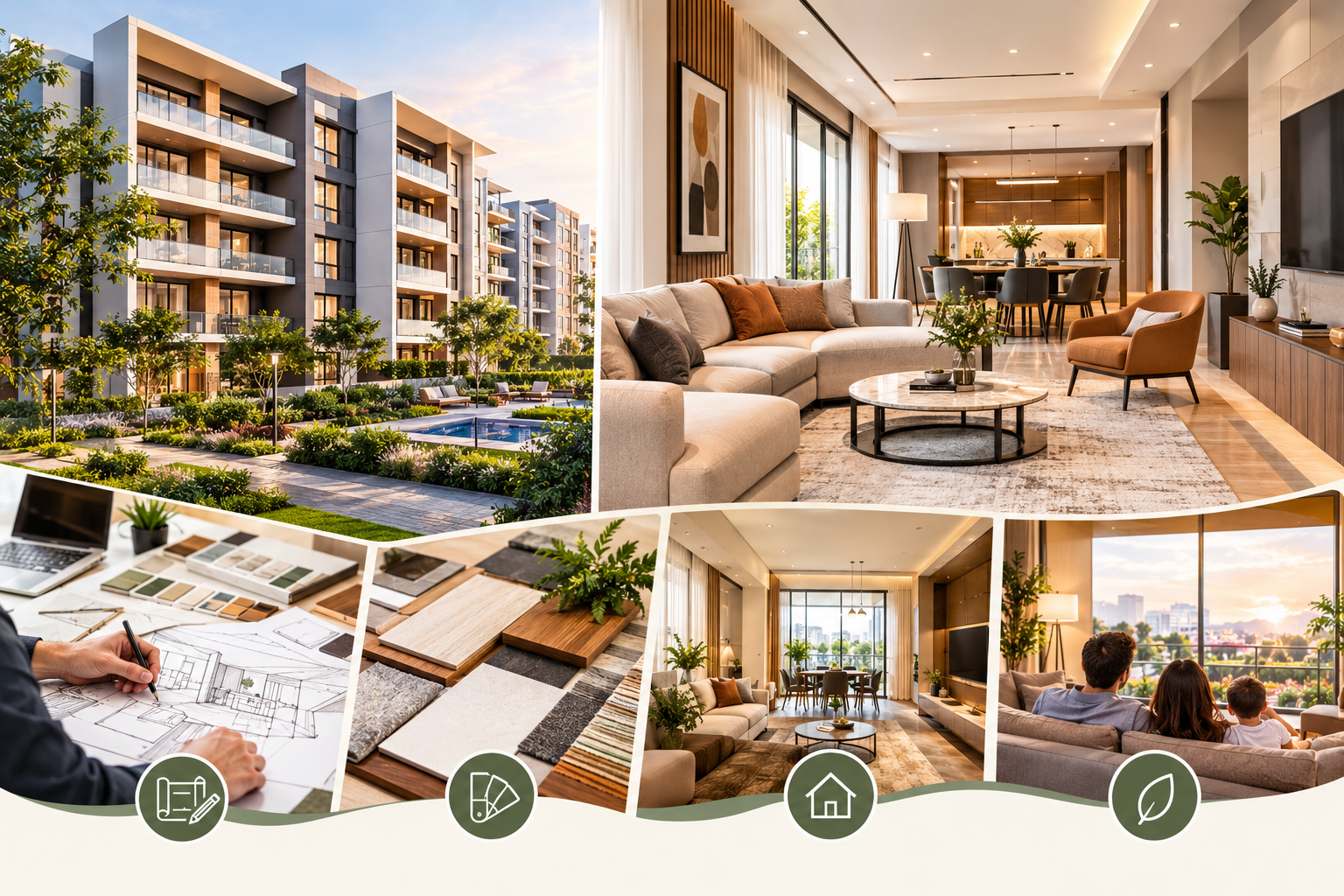
When you are looking to purchase or move into a new home, you are seeing, feeling and dreaming about what you see and what you touch. Price and location are not mutually exclusive, a quality interior, however, is a definitive factor in getting sales, rents or just sitting there. Interior design for the developer isn’t decor, it’s step for the development of a project. It is one of the fundamental components of value, brand perception and performance over time. Thoughtful design is a major consideration in any contemporary residential development, affecting the advertising, the operation and the memory of the project.
First Impressions Drive Buying Decisions
A new buyer’s impression is created as soon as they cross the doorstep of a show apartment or lobby. Provides an opportunity to express feelings and think in imaginative ways, by seeing their lives through well planned rooms. Cohesive colour scheme, good quality finishes and appropriate lighting communicates care and quality, and trust in the developer’s brand is gained.
Maximising Space and Layout Efficiency
Smart design allows all square metres to count. Well-arranged layouts ensure better flow, create additional room and help create larger spaces than found. Built-in storage, flexible living spaces and well-positioned kitchens provide extra functionality without taking up too much room. If the house feels at home and “doctored” appropriately then buyers can see it and are likely to pay more.
Strengthening Brand Identity
It is a fact that given a lot of competition in the market, a project also needs help from inside to come out as a standout project. Modern, traditional, resort or environmentally. Unique lobby areas, corridors, amenity spaces and unit interiors add character to the development. Uniformity on all messages helps to create brand recognition and enhances premium positioning.
Boosting Property Value and Returns
A good interior design can enhance value perceived, which helps to achieve higher sale price and rents. Quality materials, the details and a thoughtfully designed and planned fixtures diminish the impression of a generic product. Premium looking and feeling properties tend to sell quicker, decreasing “on the market” times and increasing cash flow.
Designing for Lifestyle and Wellbeing
In fact today’s residents want more than four walls. They prefer lots of light, ventilated surroundings, serene areas and environments that promote wellbeing. The landscaped terraces, gym, lounges, co-working areas, children’s play spaces etc must be created with the same thoughtfulness as private spaces. Well-planned activities promotes community development and fosters satisfaction.Durability and Lifecycle Considerations
Beauty must go along with utility! Dubai’s weather demands materials that are able to conquer heat, humidity and heavy use. Choosing long-lasting finishes and quality fittings also helps to reduce the maintenance cost, defect rates and the protection of the reputation post-handover. With lifecycle performance you avoid the costly remedial work and the owners’ unhappiness.
Coordination Between Design and Delivery
A good idea might be worth nothing unless it is executed well! Good coordination between architects, designers, engineers and contractors results in their design intent remaining intact, avoids cost overruns and avoids penalty delays. Early teams of interior specialists can avoid conflicts with services and structure, leading to smoother construction and a better end result.
Transferable Lessons for Mixed-Use Projects
Many of these principles apply equally to a commercial development, where design shapes tenant appeal, footfall, and brand image. Mixed-use schemes in particular benefit from a unified design language that connects retail, office, and residential components.
Show Units and Marketing Support
Show apartments and marketing suites are a great tool to use in marketing. A designer’s interior style, sample boards and visualisations will assist buyers to see what is going to be finished before it is built. Web-based campaigns are also bolstered by photography and virtual tours that are carefully designed.
Partnering with the Right Design Team
Choosing experienced professionals gives developers a competitive edge. Claramont combines creative design thinking with disciplined project delivery, supporting clients from concept through completion. Its approach focuses on quality, practicality, and a refined finish that elevates the end result. To learn more, visit claramont.com.
Frequently Asked Questions
- When should developers involve interior designers in a project?
Preferably, early in the planning process, in consultation with the architects and engineers. A vision that is realised from the early involvement will optimise layout, service co-ordination, costs control, and ensure that the vision is realised.
- Does investing in interior design really increase property value?
Yes, in most cases. Finished interiors improve perceived value, speed up sales and/or leasing, and improve brand reputation. The results will vary according to the market; however, properly-designed solutions will strengthen the trust of the customers and return on the investment.
Conclusion
Interior Design is more than a decoration. It impacts on customer satisfaction, marketability, and returns. The designer can work on key areas of the design, quality, durability and branding the same to build homes that people want to live in. A design strategy is a key part of every successful residential development; the best residential development projects are the ones where design and delivery go hand in hand.